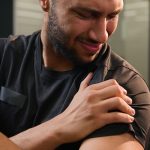
Back pain needs a clear pathway. At Physique Fit in Norwich, the starting point is a Biomechanic Assessment that reviews posture, joint range of motion, muscle imbalance, and gait then turns those findings into practical next steps for training and recovery support.
Back pain is a broad label. Two people with the same complaint often present with different movement patterns, different triggers, and different tolerance to load, which is why a generic “do these stretches” approach so frequently disappoints in real life.

Safety and triage come first
Some symptoms sit outside a gym setting. Seek medical assessment after trauma, with progressive weakness or numbness, or with changes in bowel or bladder function, because these red flag patterns require clinical judgement before any training plan enters the picture.
For persistent or worsening symptoms, a GP or qualified clinician remains the sensible first checkpoint.
Why rest alone rarely resolves the underlying issue
Short periods of relative rest have a place. Extended inactivity rarely builds confidence or capacity, and many people return to lifting, commuting, or childcare tasks with the same mechanics that irritated the back in the first place.
Progress requires direction. The practical objective is to identify what movements and positions provoke symptoms, then rebuild tolerance through controlled exposure and stronger movement standards, rather than repeating a stop and start cycle that resets momentum every few weeks.
Step one: book a Biomechanic Assessment
Information changes the quality of the plan. Physique Fit’s Biomechanic Assessment evaluates how the body moves during activity, using analysis of posture, joint range of motion, muscle imbalances, and gait patterns to surface limitations that influence set up, exercise selection, and progression choices.
The process is time-bound and specific. The page outlines a one hour consultation for the initial assessment, with forty five minute follow ups that focus on elements such as manipulation and rehab exercises, which gives a clear structure rather than an open ended “see how you feel” approach.
Book directly here
How assessment findings translate into a training plan
An assessment without action has limited commercial and personal value. The findings should translate into repeatable training decisions, with clear standards for set up, range, tempo and progression so that week to week work becomes comparable, measurable and easier to manage.
A disciplined plan centres on a small set of controllable choices:
Exercise selection and variations that match current movement capacity
Set up and bracing standards that hold under load
Progression rules for load and volume, written in advance
Weekly scheduling that fits real constraints, not idealised diaries
Some cases benefit from hands-on treatment alongside training. Where soft tissue work fits the wider plan, Physique Fit refers into the clinic so recovery work supports the training decisions rather than pulling attention away from them.
The clinic offers services including sports massage, cupping therapy and dry needling, alongside other recovery interventions listed on the clinic page. Treatment needs a purpose. Used well, it supports comfort and movement quality while the training plan rebuilds long term capacity.

Why the Norwich gym setting matters
Environment shapes adherence. A plan that requires perfect weeks rarely survives, so the practical advantage of a Norwich gym like Physique Fit is access and infrastructure that make consistency more achievable across busy periods.
Physique Fit is open 24 hours, seven days per week, with manned hours published on the contact page. Physique Fit is a Norwich gym with 24 hour access and free on site parking, based at Unit 2 Roundtree Close, Norwich NR7 8SX. Full gym details are available here.
Next step
Choose a structured start. Either book an assessment directly, or send an enquiry through the contact form with a brief summary of what you feel, what triggers it, and what training you currently do.